Cross-border database on the cultural heritage of the Slovenian-Hungarian cross-border region – from 120 selected settlements of the Prekmurje Region in Slovenia and Vas County in Hungary
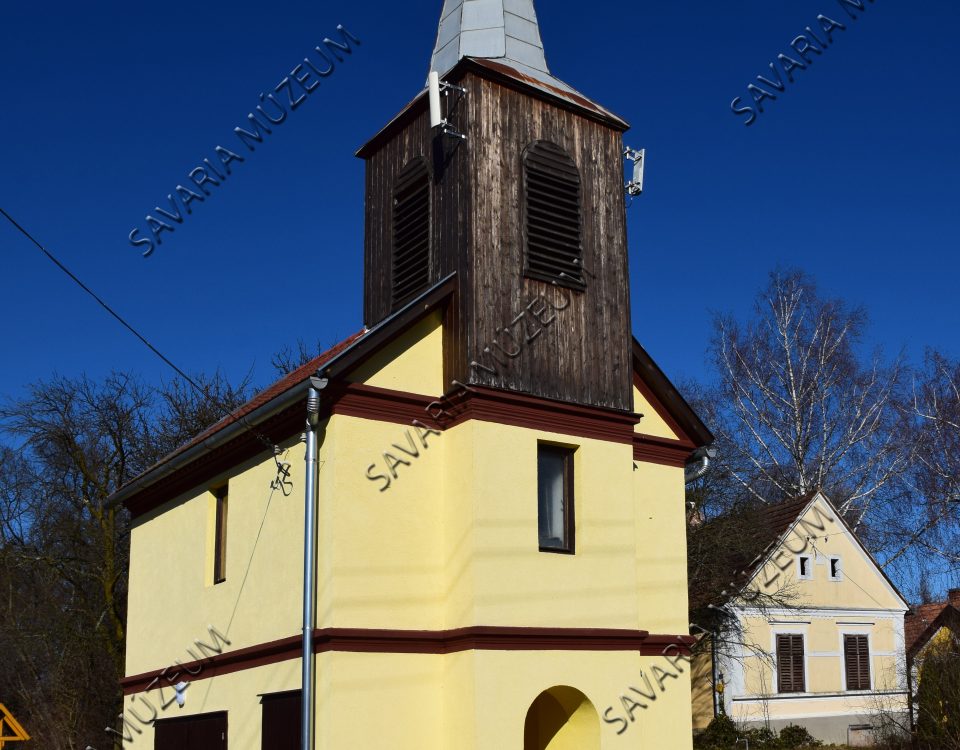
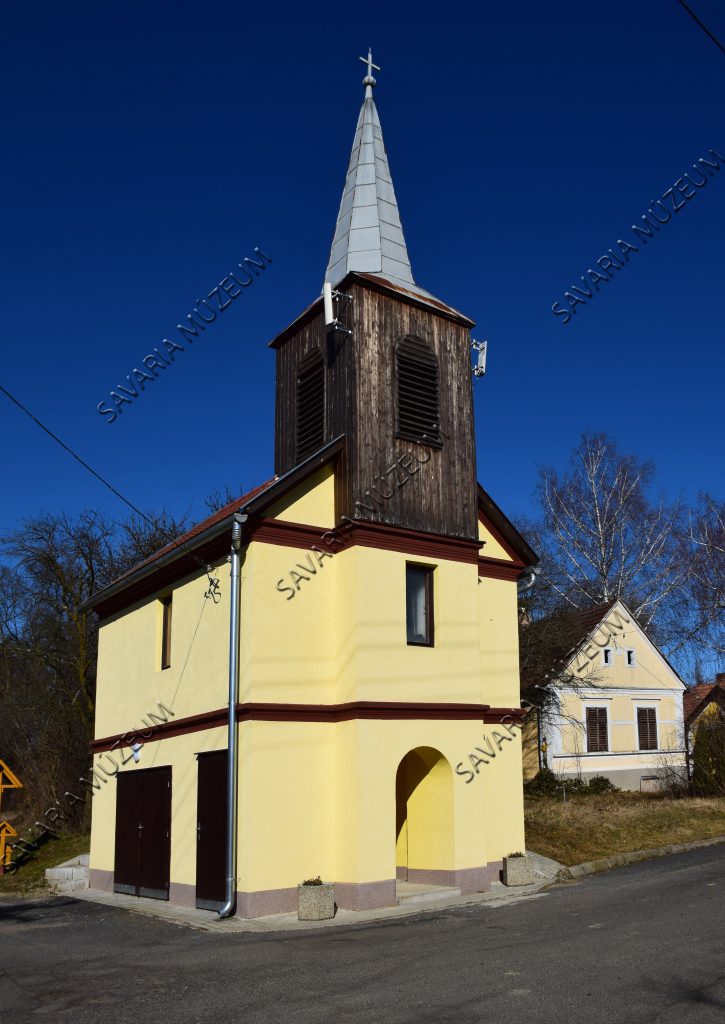
A two-story building with a tower, reminiscent of a chapel. Firefighters’ bell tower, with an obelisk with the mythical eagle, a monument dedicated to World War I heroes.
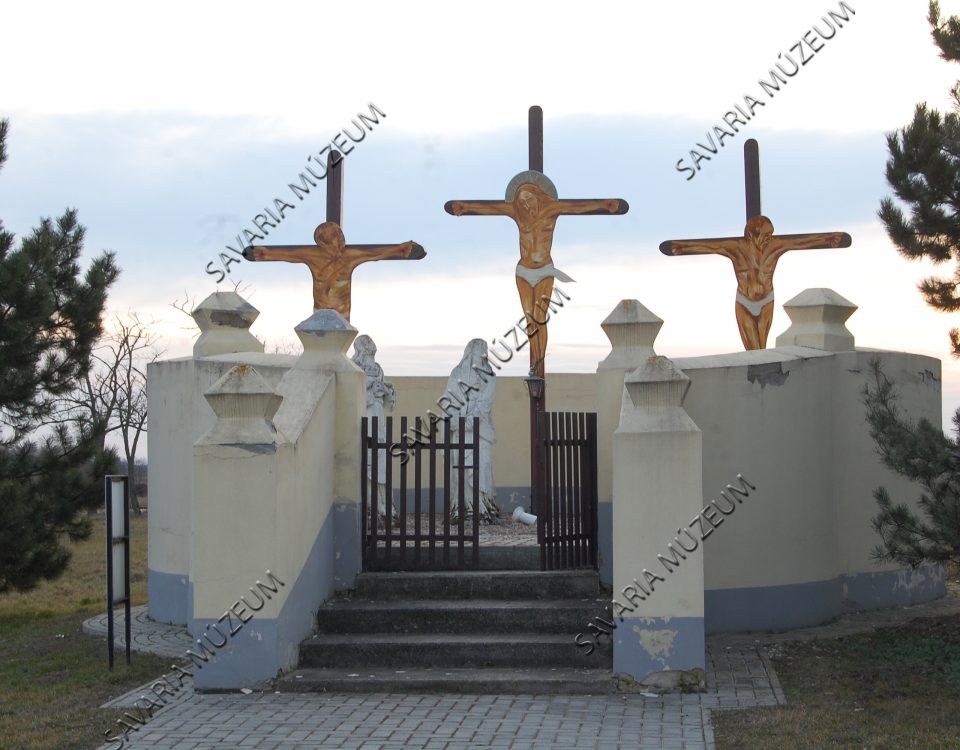
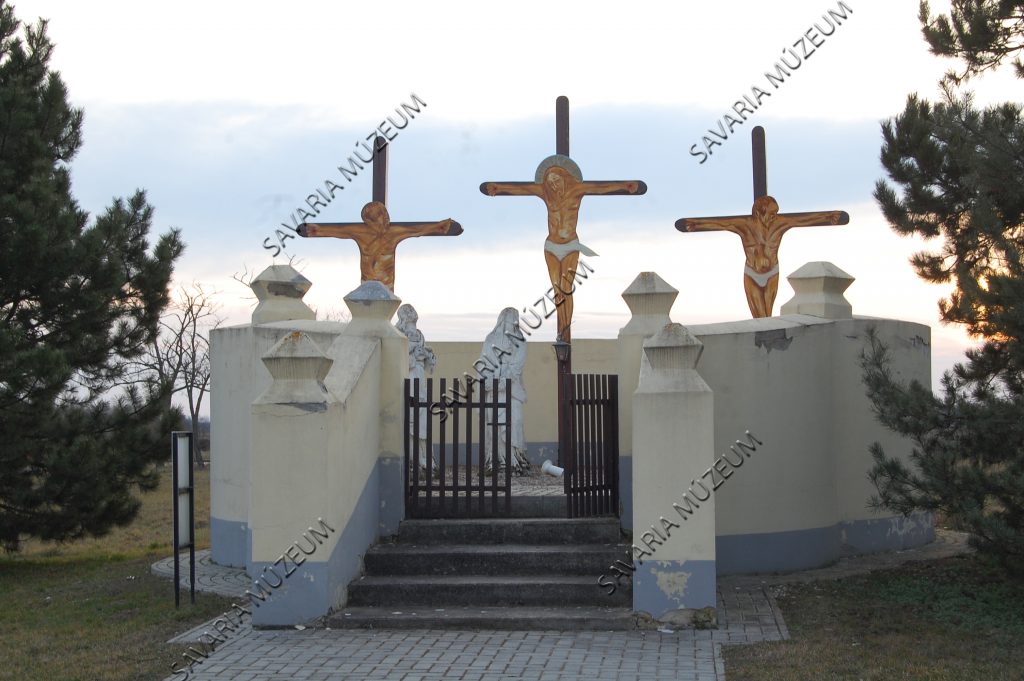
Countess Cziráky József and Borbála Barkóczy erected this Calvary on an artificial hill. When Count Cziráky married her she was not a noblewoman, and she made a promise of building the Calvary hoping for ennoblement in return. After being accepted in the Order of the Starry Cross, she built the Calvary in 1731. Sandstone was…
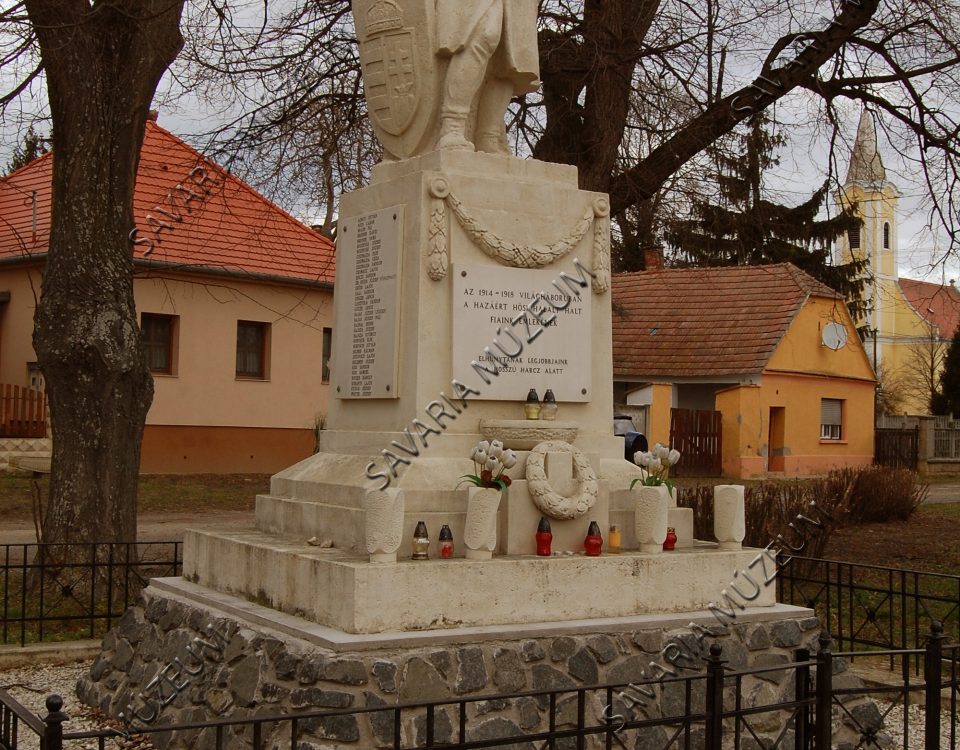
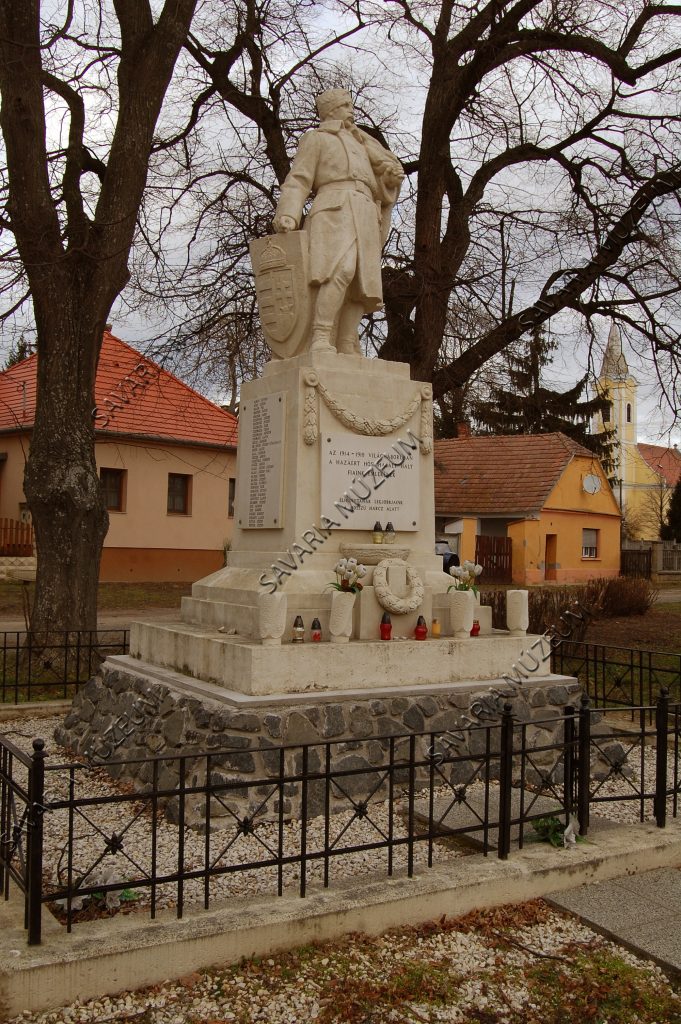
World War I memorial monuments were built under a 1917 law, at the time of Bethlen's Consolidation and according to the financial strength of the given settlement. In Nagysimonyi, the Civic Reading Circle and the Volunteer Fire Brigade raised the money in 1924 to build the monument. The consecration was held on July 4, 1926.…
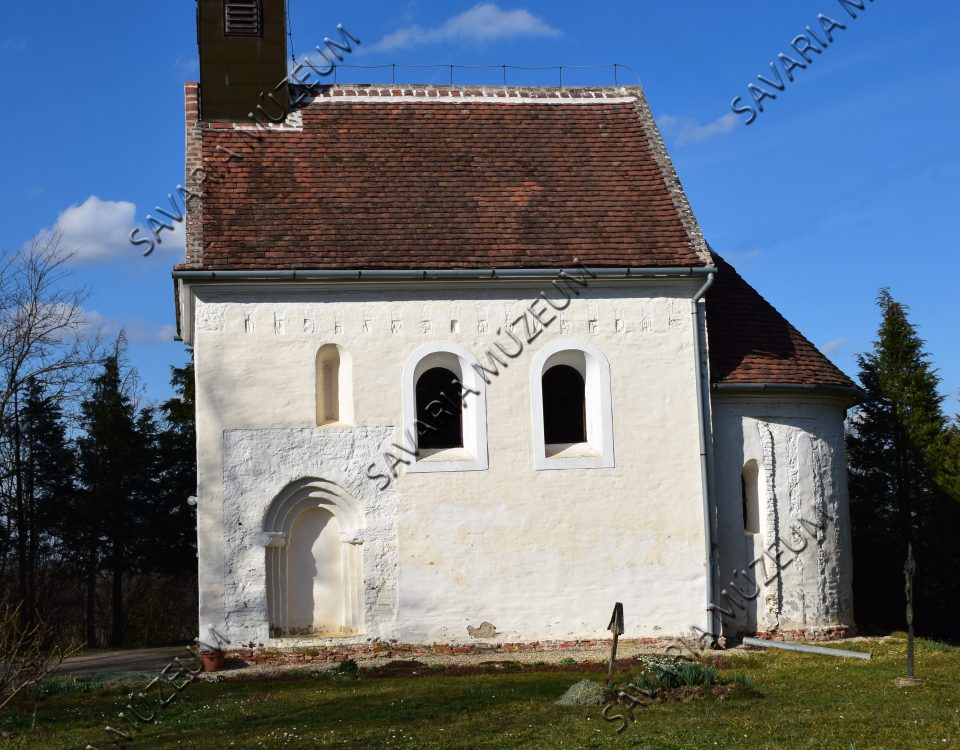
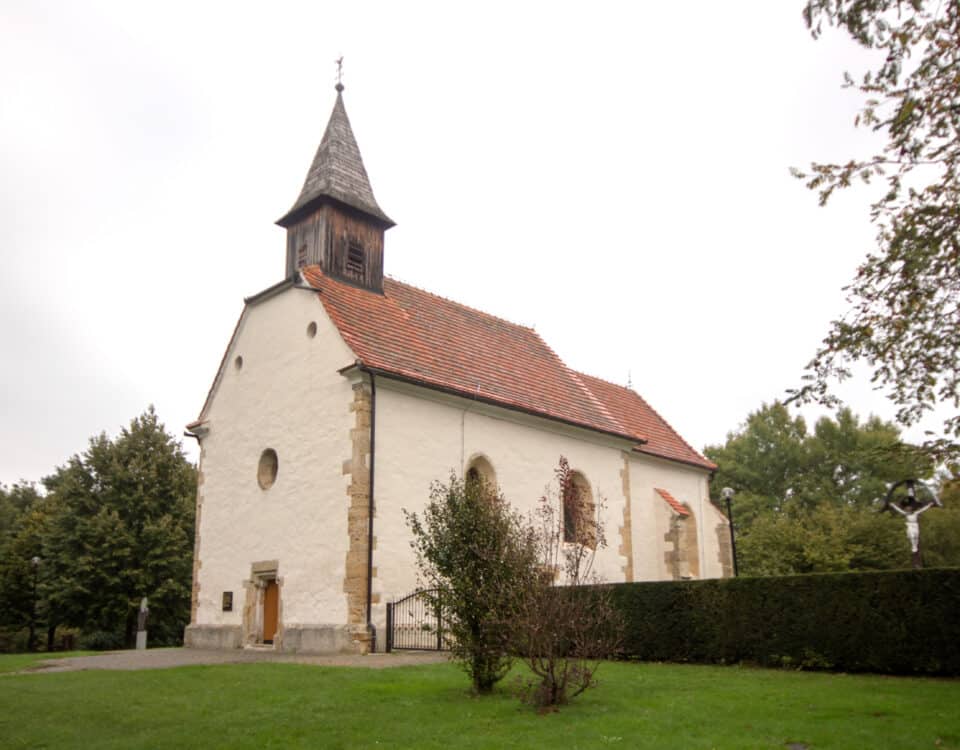
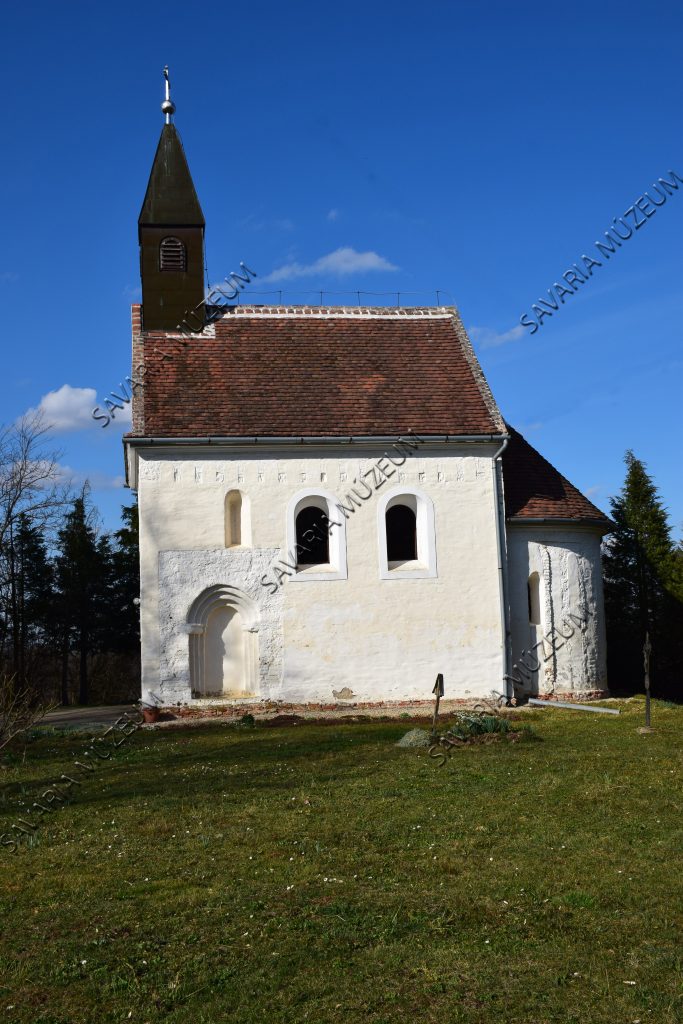
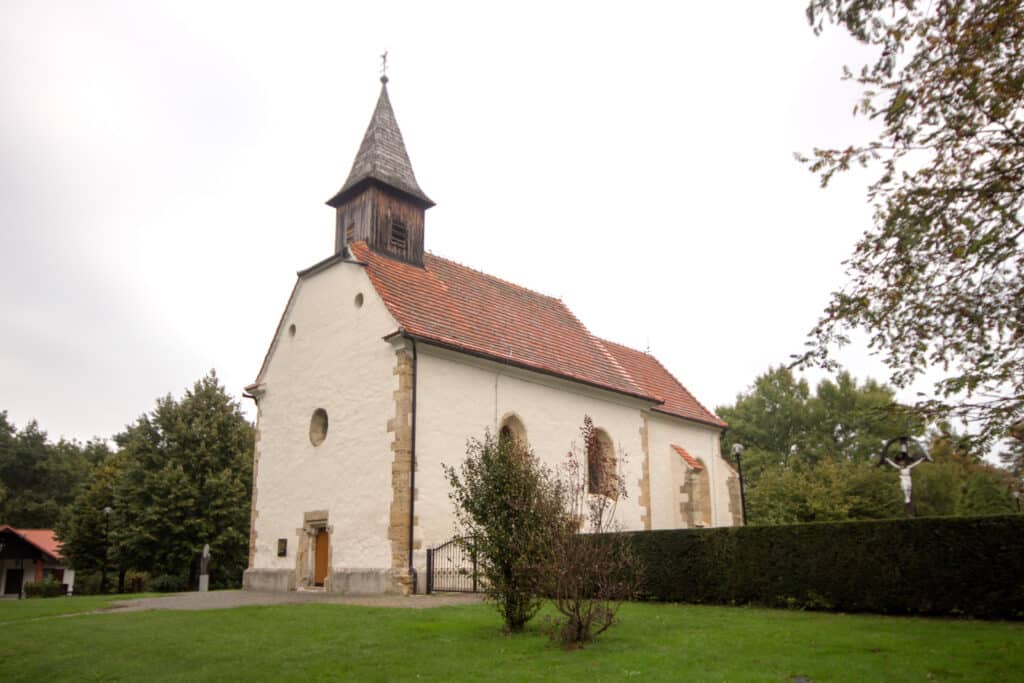
A Romanesque church standing on the hilltop (Szentegyházhegy) of the village, in the old cemetery. The patron saint is Apostle St. James. It was built in the 13th century. A small church with brick walls, oriented to east, with semicircular sanctuary and a ridge turret.
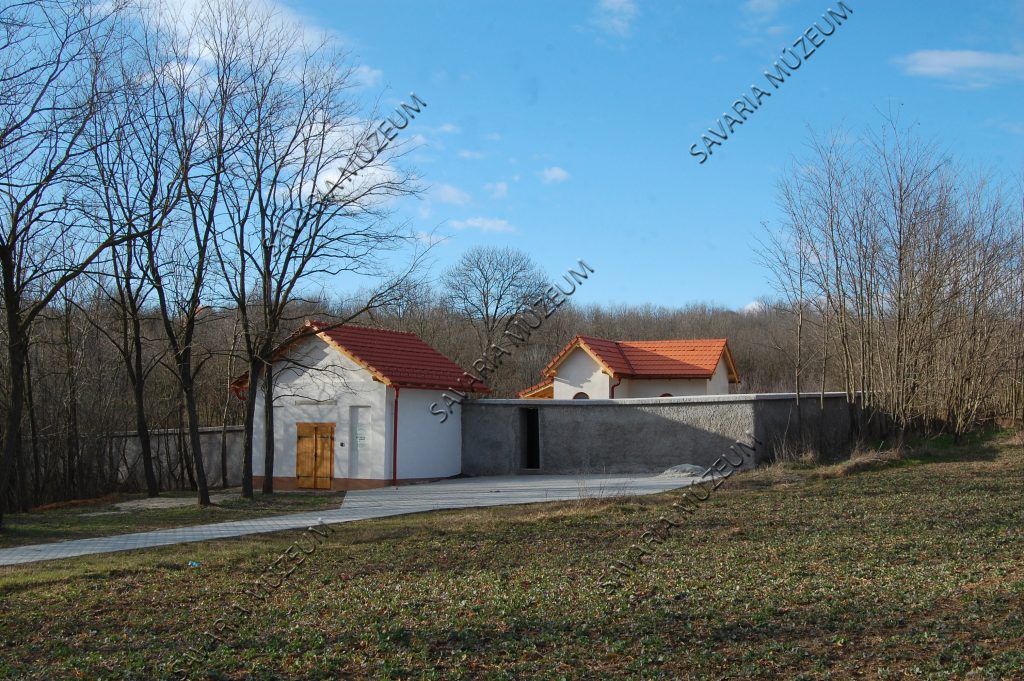
Nagysimonyi was one of the centers of the Jewish community of Kemenes region in the 1700s. The Simonyi community was founded by 18 families who resettled from Germany. Their synagogue was built in the 19th century and had to be rebuilt after a fire in 1892. The unused building was demolished in 1953. Today their…
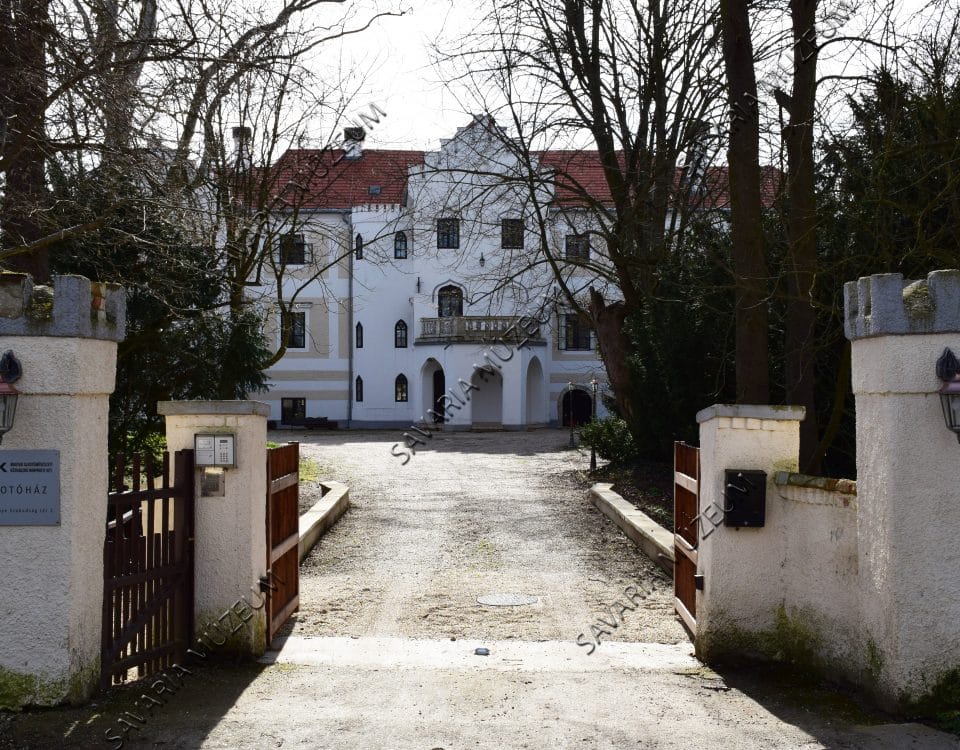
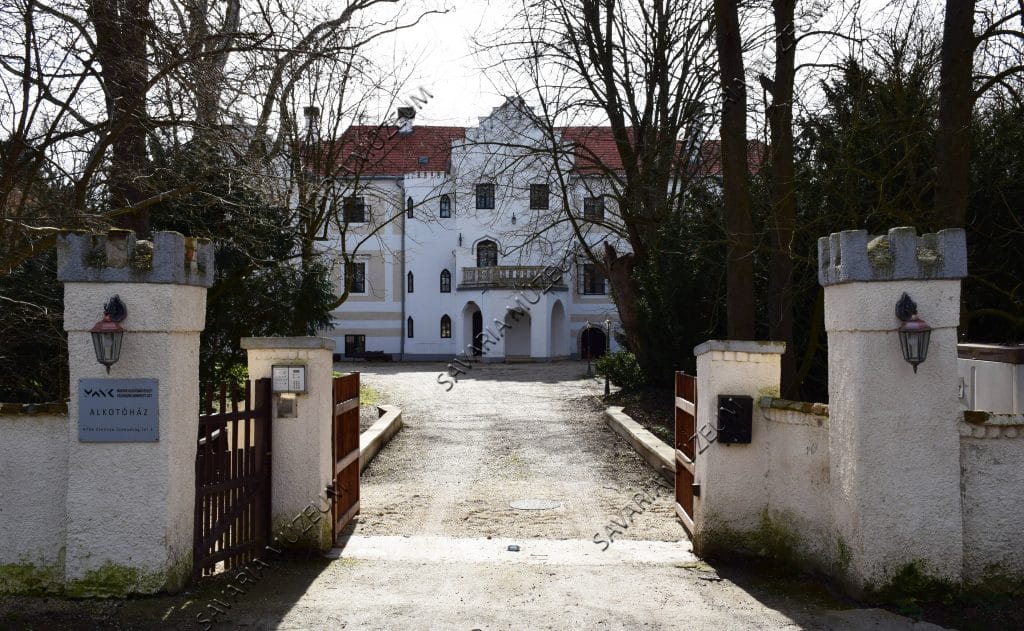
It was transformed from a medieval manor house in the 16th and 18th centuries, expanded repeatedly. It was last expanded in romantic style in 1867. Today it operates as artists’ house. Its extensive park was established in the 19th century and is now under nature protection. The talented poet Ferenc Békássy, who died young, is…
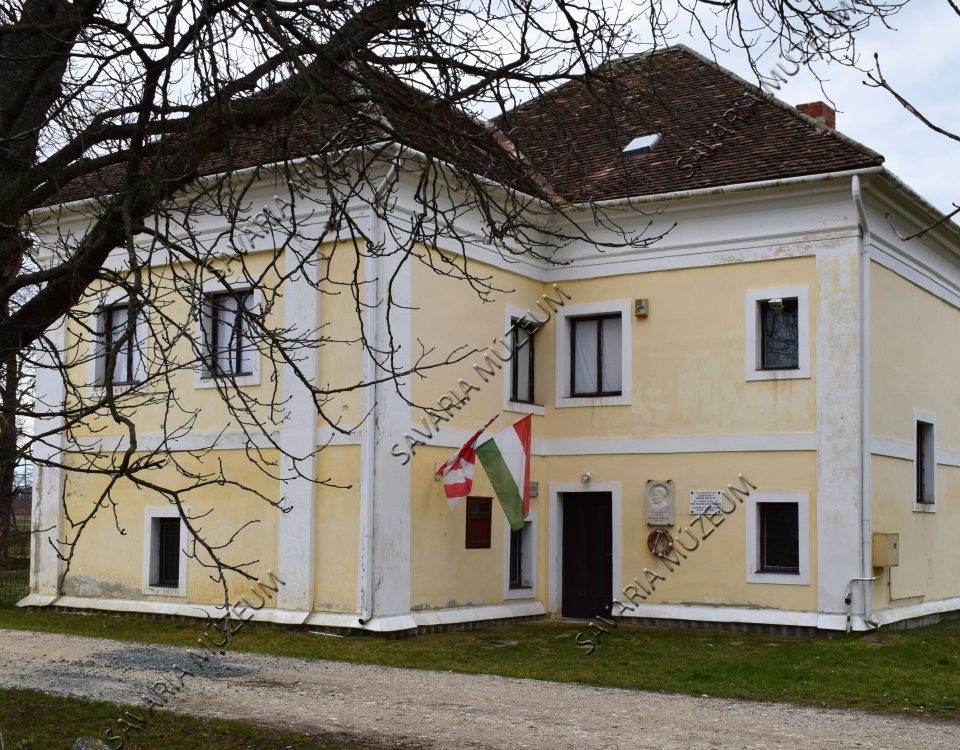
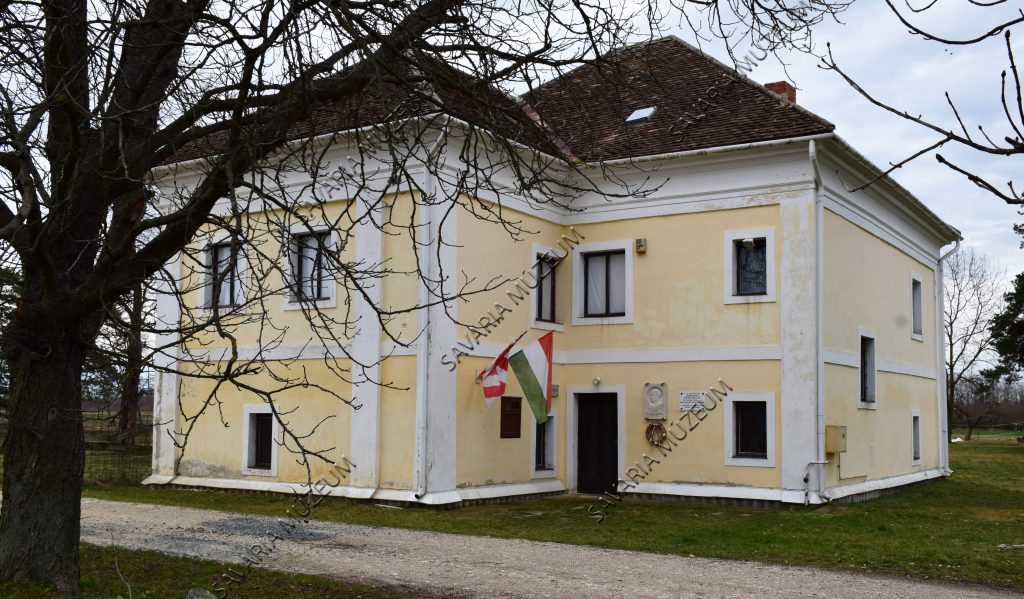
A small Late Renaissance castle. It was built by Bertalan Balogh Csempeszházi in the second half of the 16th century. Its later owner, Ádám Béri Balog, a general of the Kuruc Army in the 18th century, who transformed it in Baroque style. It has been home to the Museum of Local and Industrial History and…
The late Gothic village church dates from 1521. The church's relatively high nave is preserved and polygonally shaped, the closed off presbytery is narrower and lower. The church was arched in the baroque style in 1739. It is built from bricks and stone, the belfry above the presbytery is wooden and covered with shingles. The…
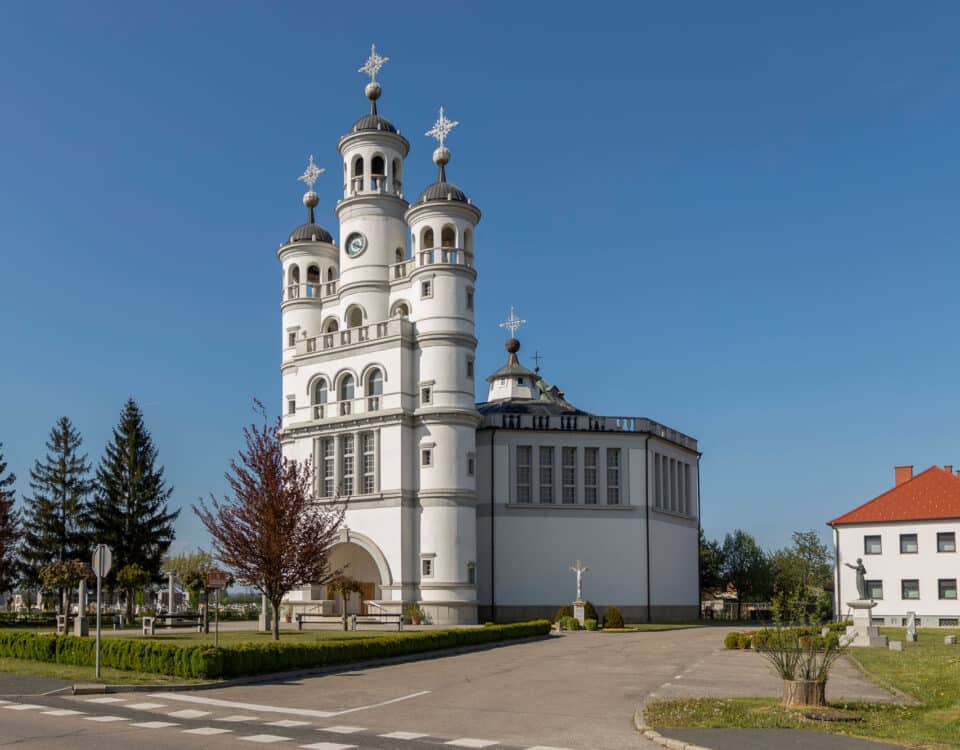
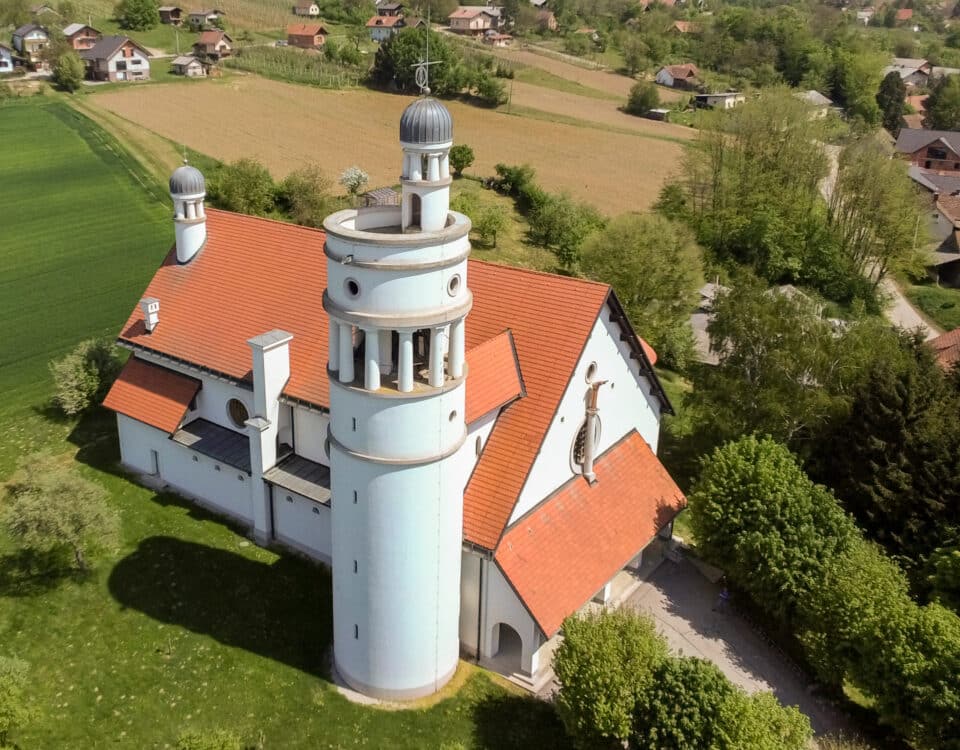
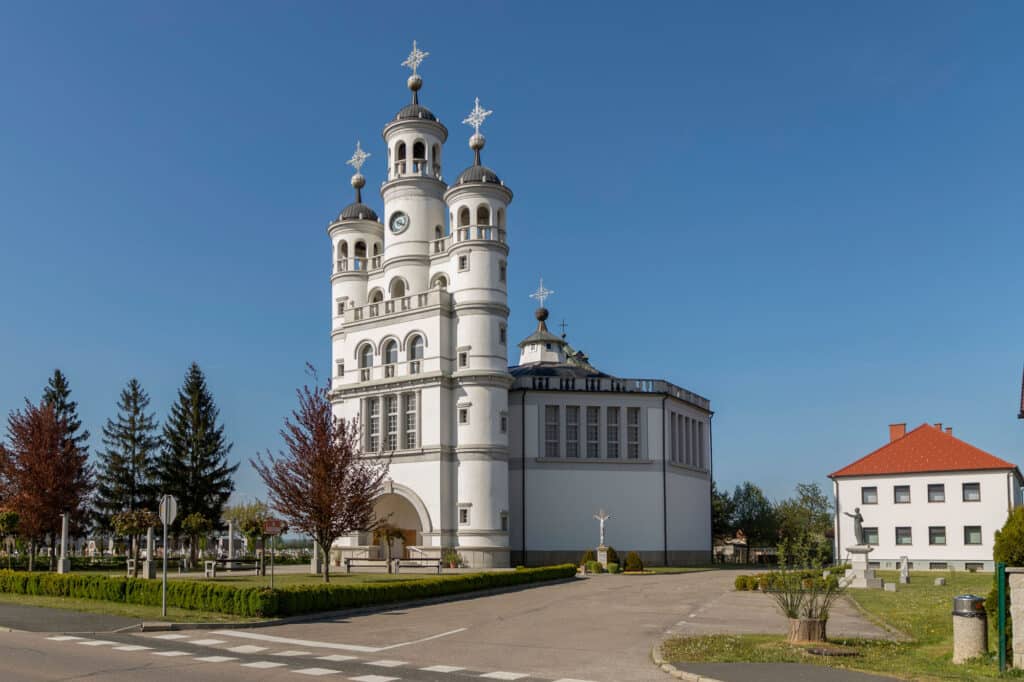
The independent parish was established on October 1, 1944. In the spring of 1946, Janez Valentinčič was entrusted with the design of the church, and the congregation decided to build an octagonal church. The plans for the church were drawn up by Plečnik's pupil Valentinčič in 1946, but the building could only be started in…
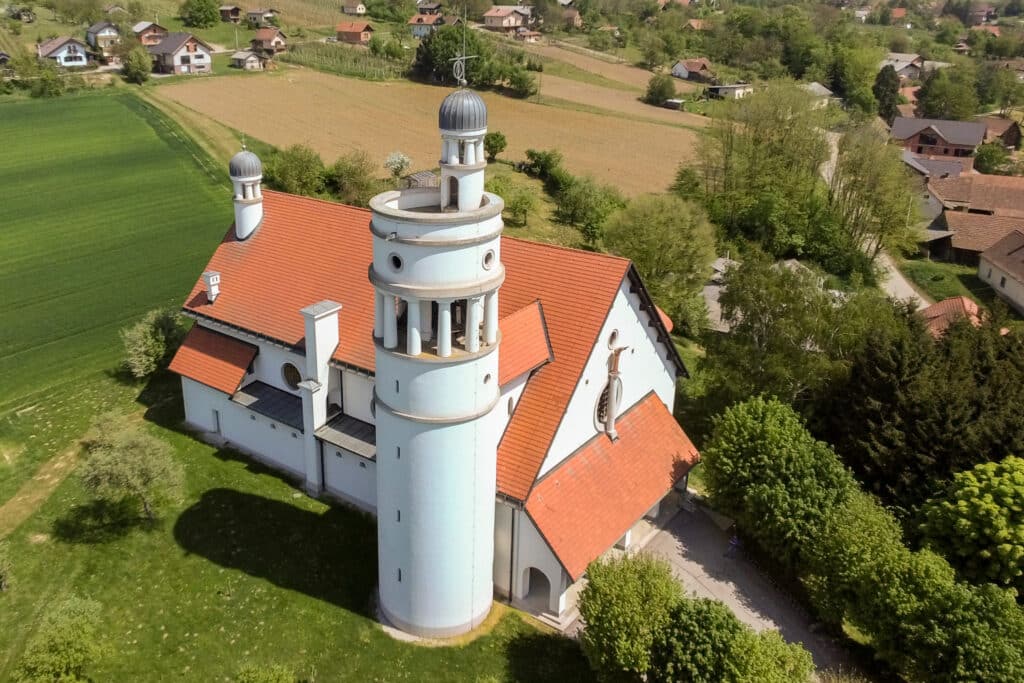
The architect Jože Plečnik responded to the invitation of Franc Bajlec to prepare plans for the new church requested by the villagers of Bogojina and their parish priest, Ivan Baša. In his new architectural plan, he included the preserved gothic part of the church and added monumental volume with a stone column and flat wooden…
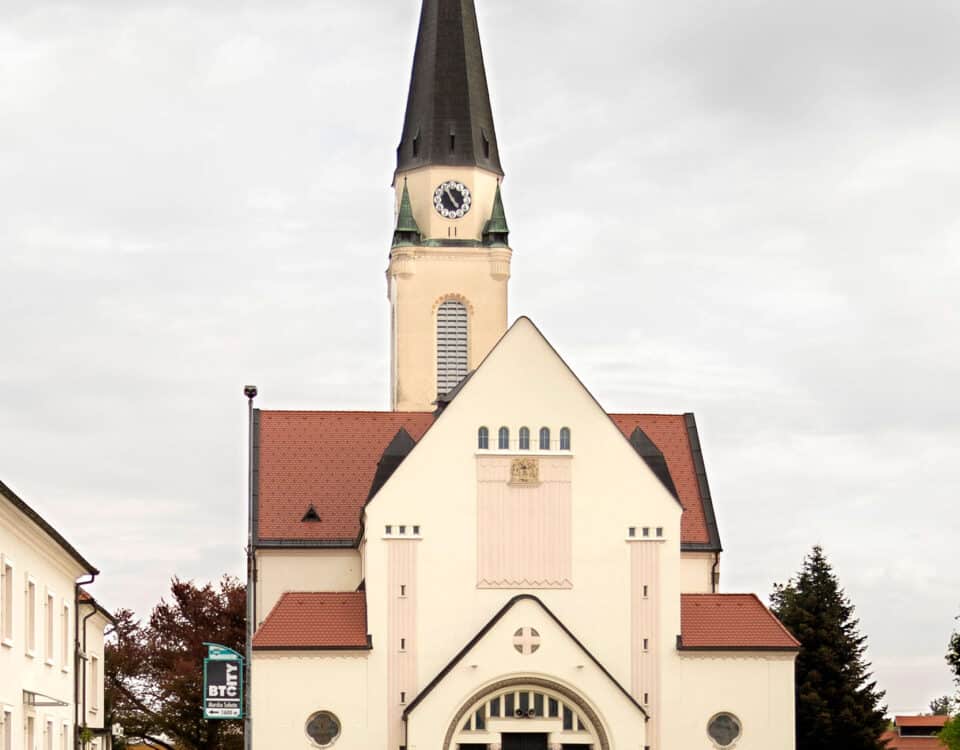
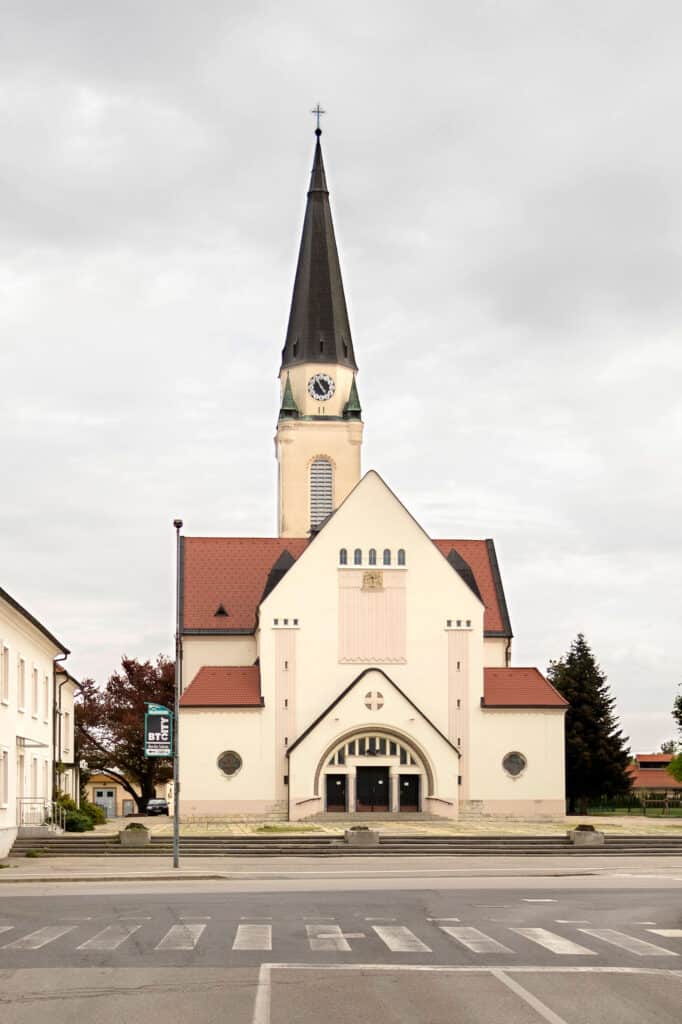
The present-day church was built between 1910 and 1912 following the plans of the architect László Takáts from Murska Sobota. The gothic church from the 14th century had already been demolished, with only the gothic presbytery and belfry remaining, the latter was elevated during the building of the new church. The new church is a…
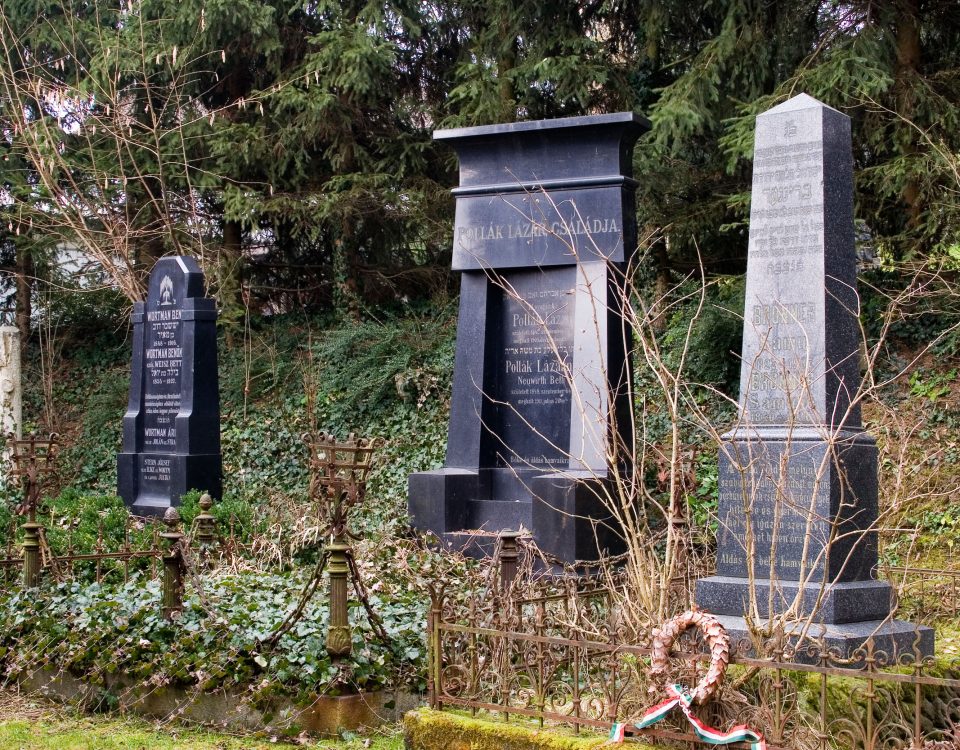
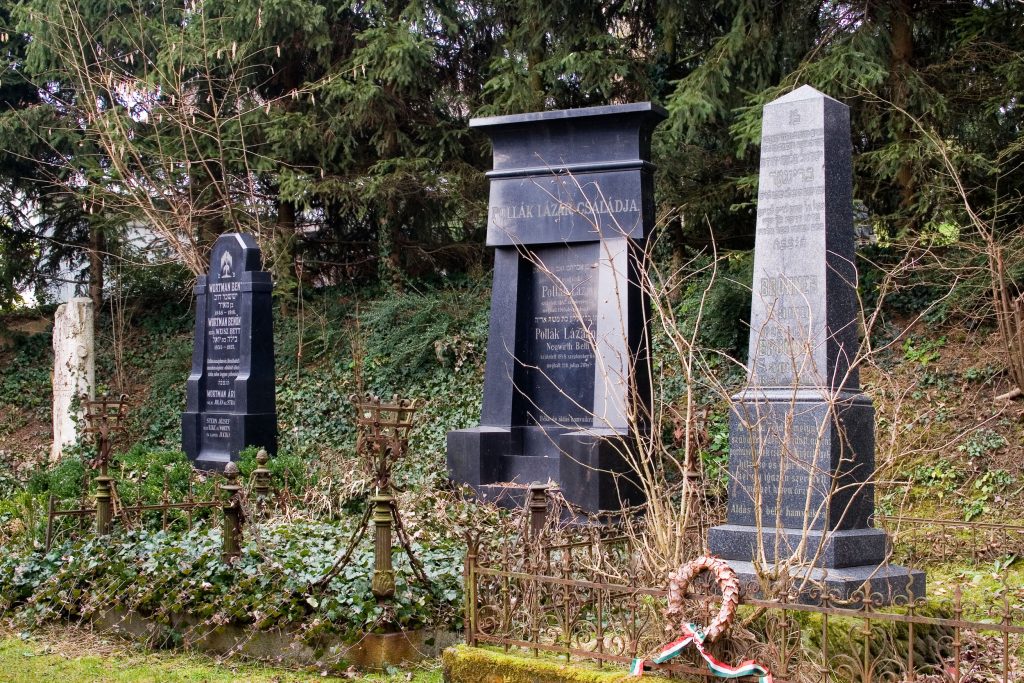
This is the cemetery was the final resting place for the Jewish inhabitants of Lendava and the surrounding villages. In the cemetery of the Jewish inhabitants of Lendava, the tombstones are facing Jerusalem, as required. The Jewish cemetery is surrounded by a stone fence. The Jewish cemetery in Lendava was divided into three parts, the…