Cross-border database on the cultural heritage of the Slovenian-Hungarian cross-border region – from 120 selected settlements of the Prekmurje Region in Slovenia and Vas County in Hungary
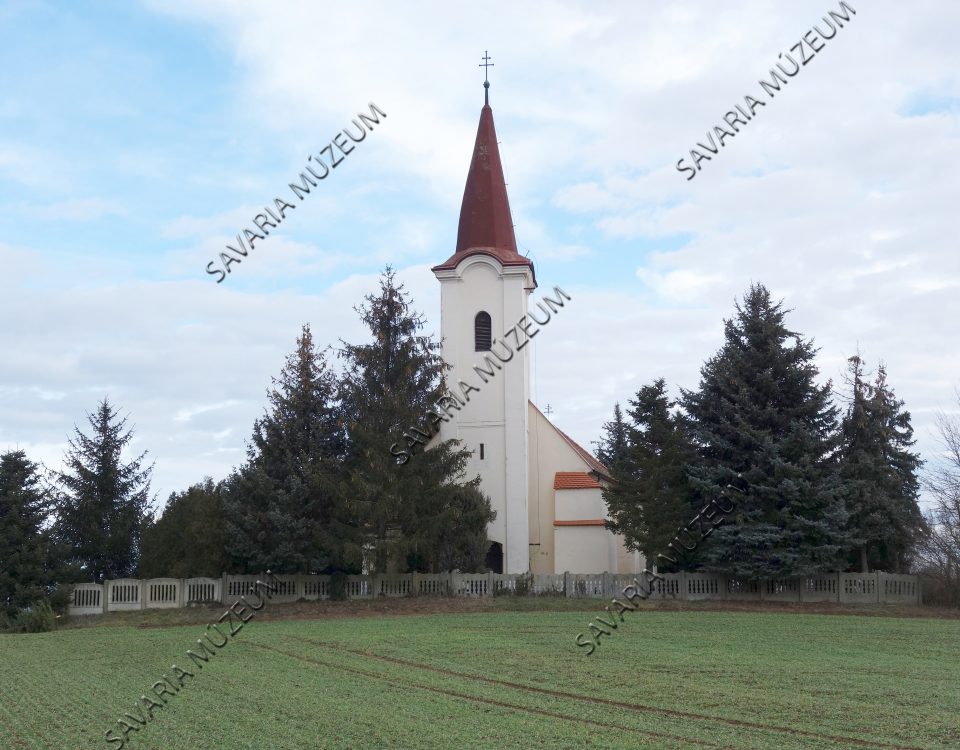
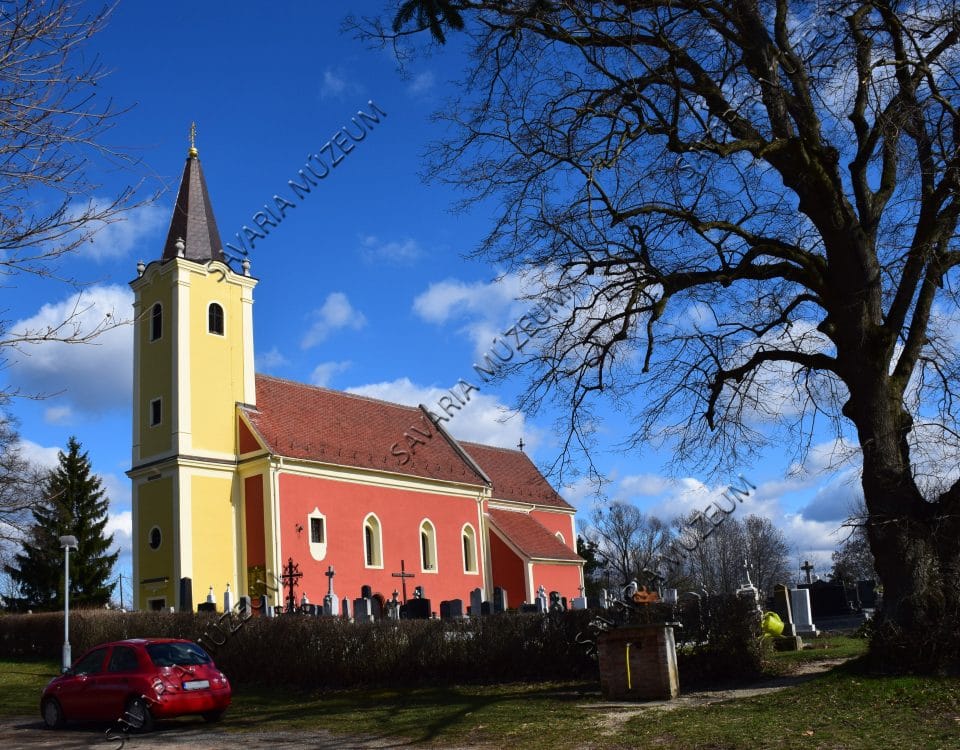
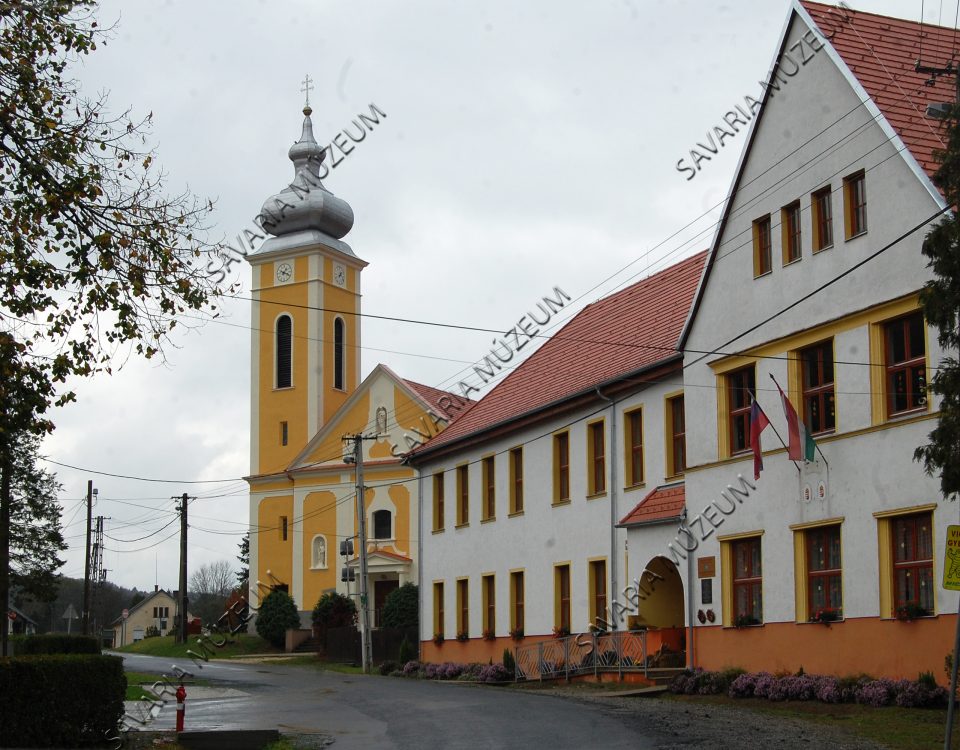
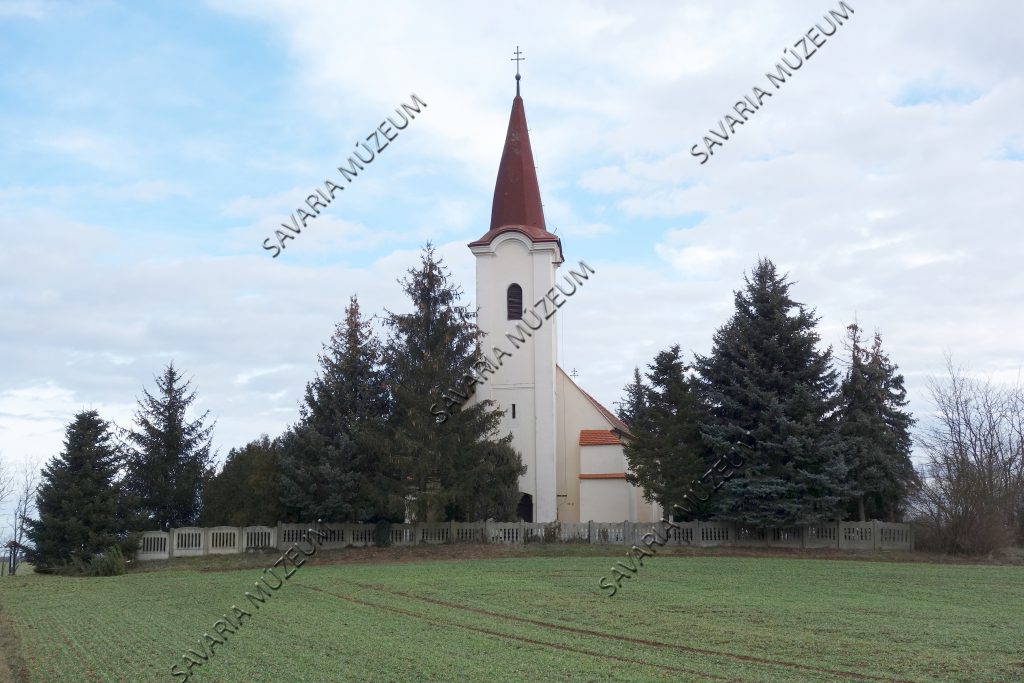
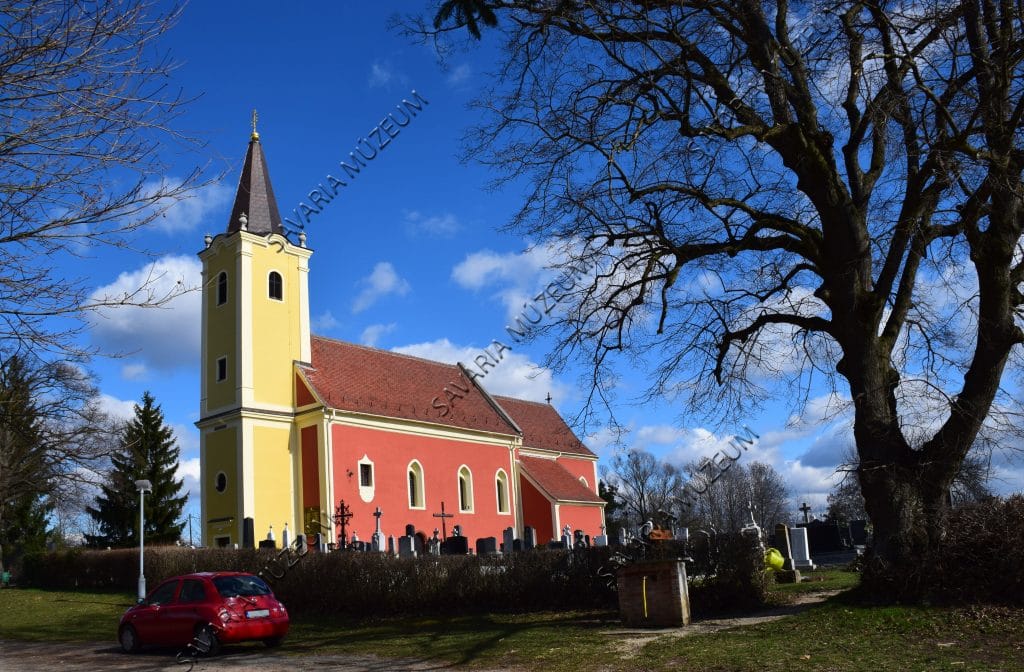
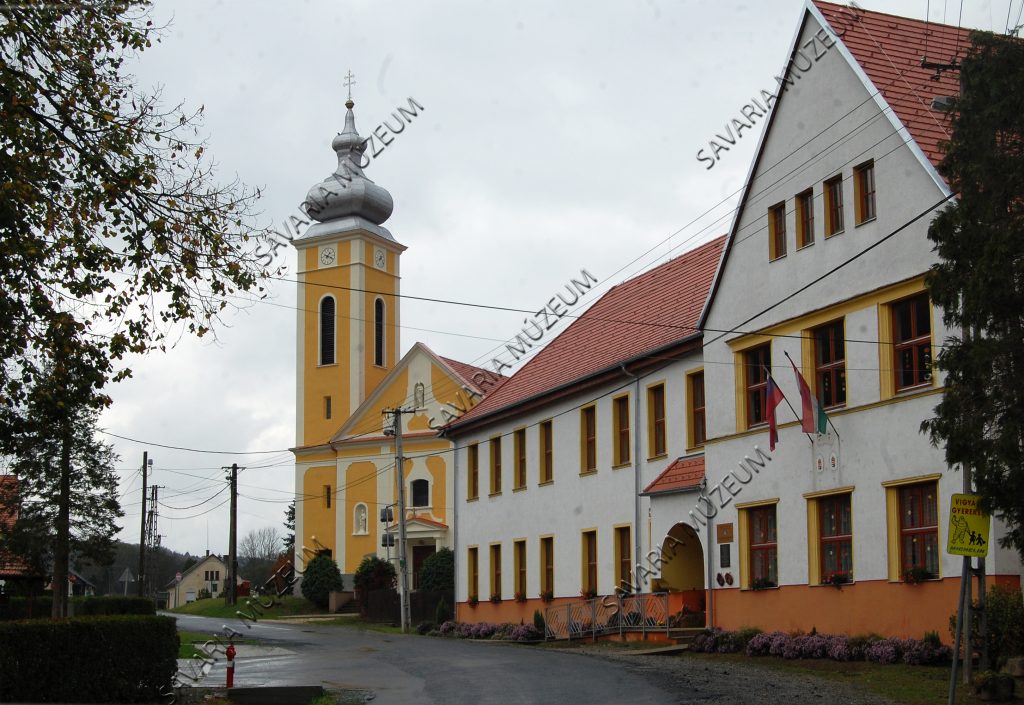
The brick church is oriented to east, of medieval origin, dating back to around 1200. It was rebuilt between 1751 and 1772-1780 in Baroque style. It was repeatedly reconstructed in 1832 and then in 1854/55.
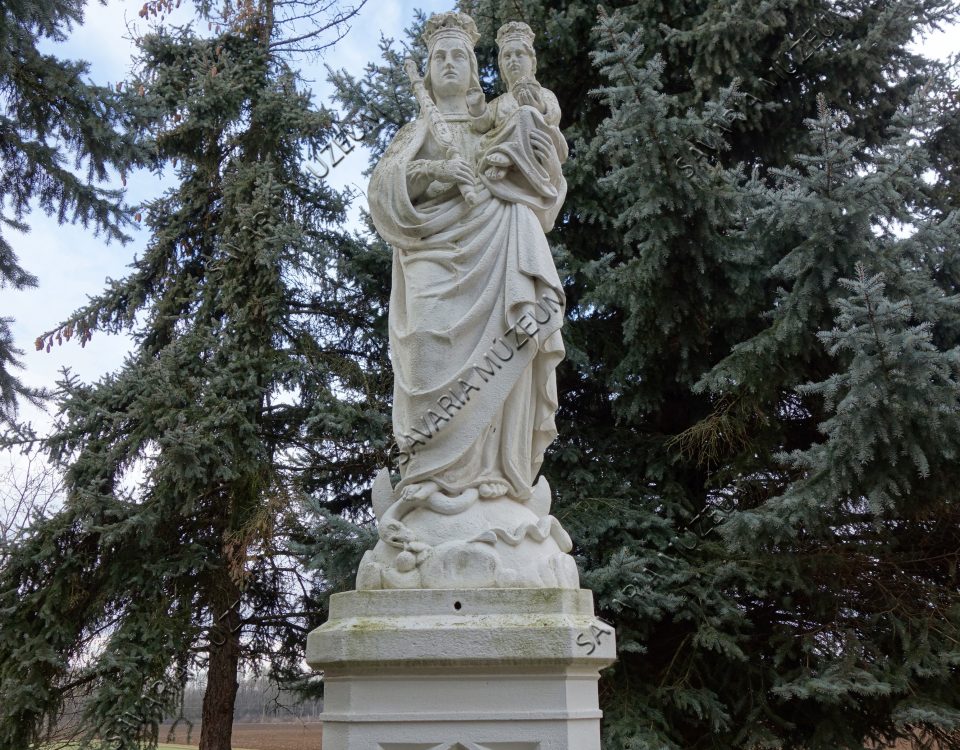
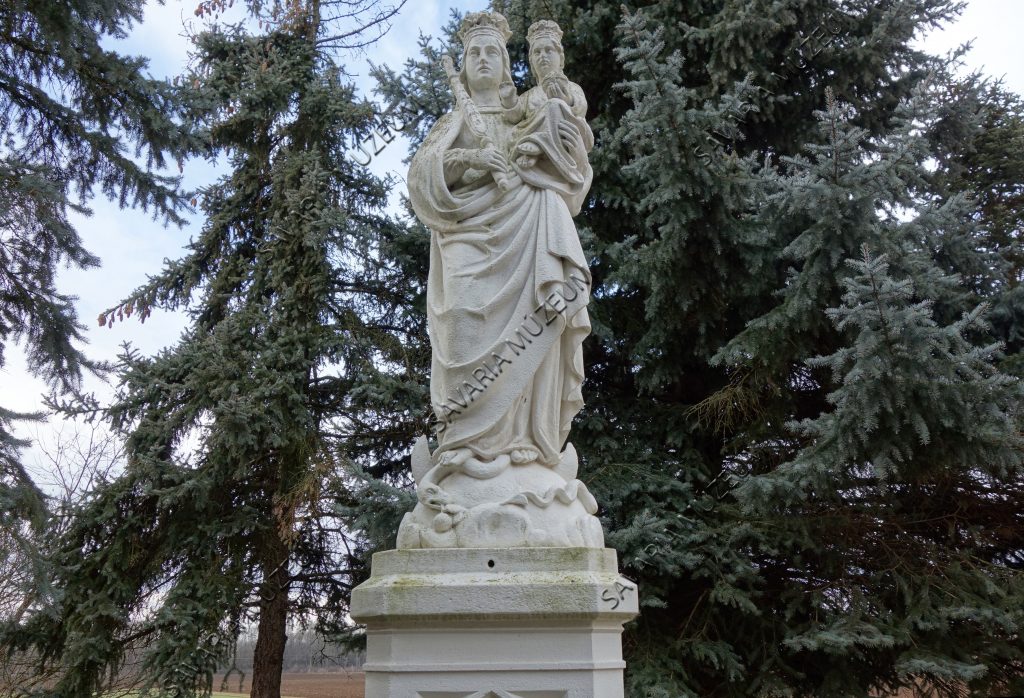
A statue of the Immaculate Conception in the church garden. It has a prismatic, Gothic-style base. The bottom is square-shaped with wedge-shaped beveled corners. In the intermediate field is a blind tracery, above it an embossed ornamental element of the base, followed by an abacus profiled on bottom, otherwise smooth. This is where the statue…
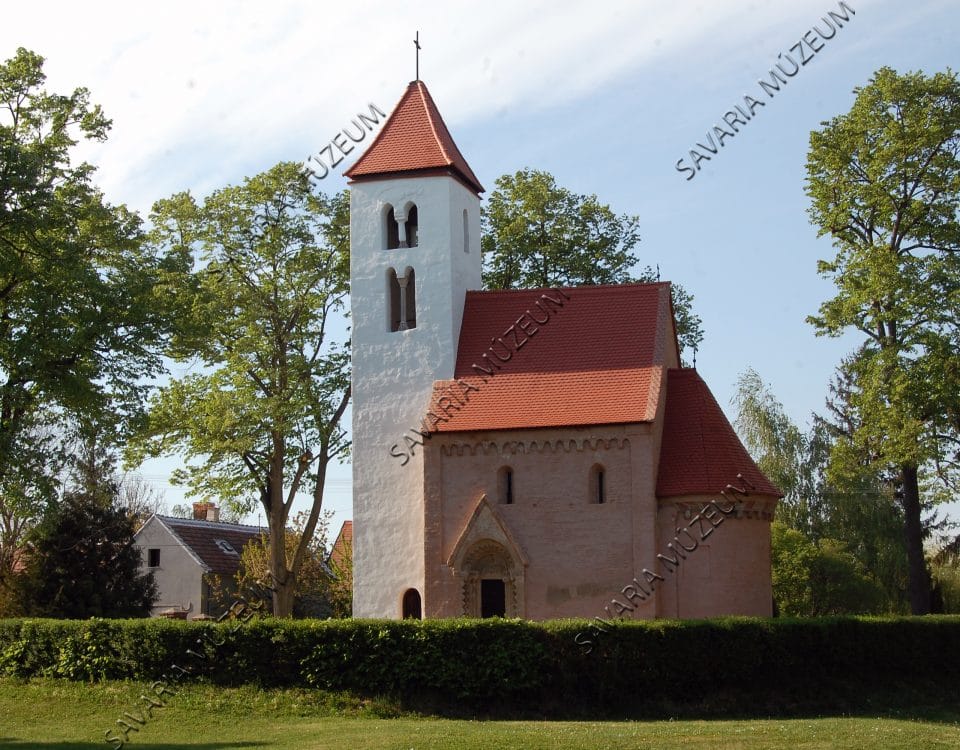
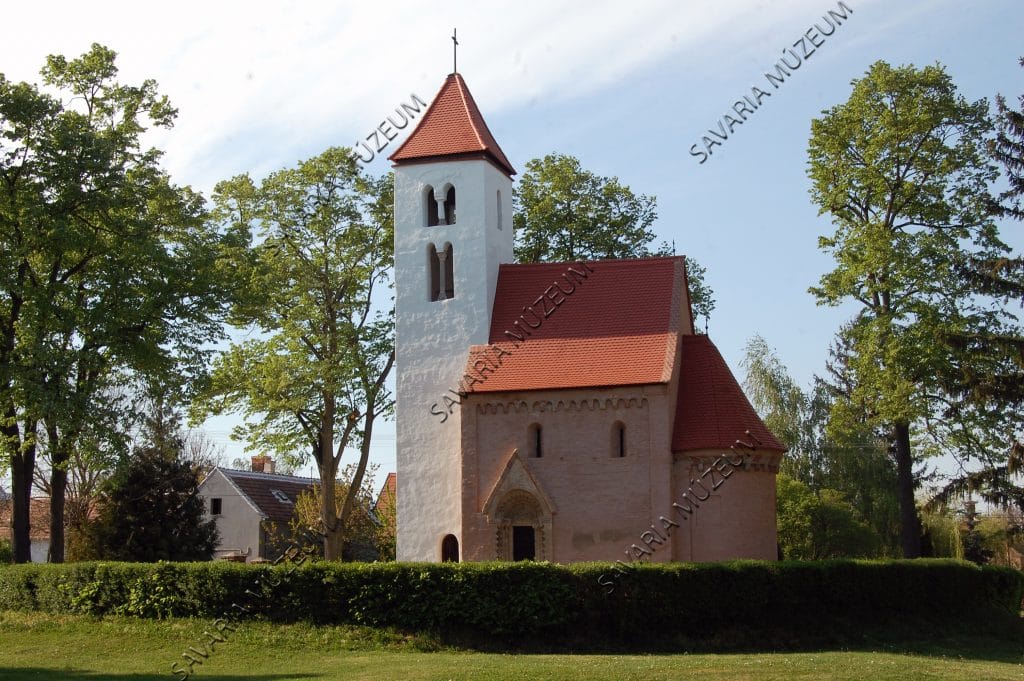
It is one of the Hungarian masterpieces of Romanesque rural architecture. Both architectural mass and detailing of the one-nave church are evoking the elements of the Ják church on a smaller scale. On the northern wall of the ship there is István Dorfmeister's Trinity picture in a rococo frame. A wooden statue of St. Michael…
The 14th-century church was expanded in the 15th century, by adding a nave and a sacristy. The nave has four sections, the sacristy has a polygonal closure, and is stellar-vaulted. On its south side there are two seat cubicles, on the north side there is a richly sectioned tabernacle. The he top-stones of the ribbed…
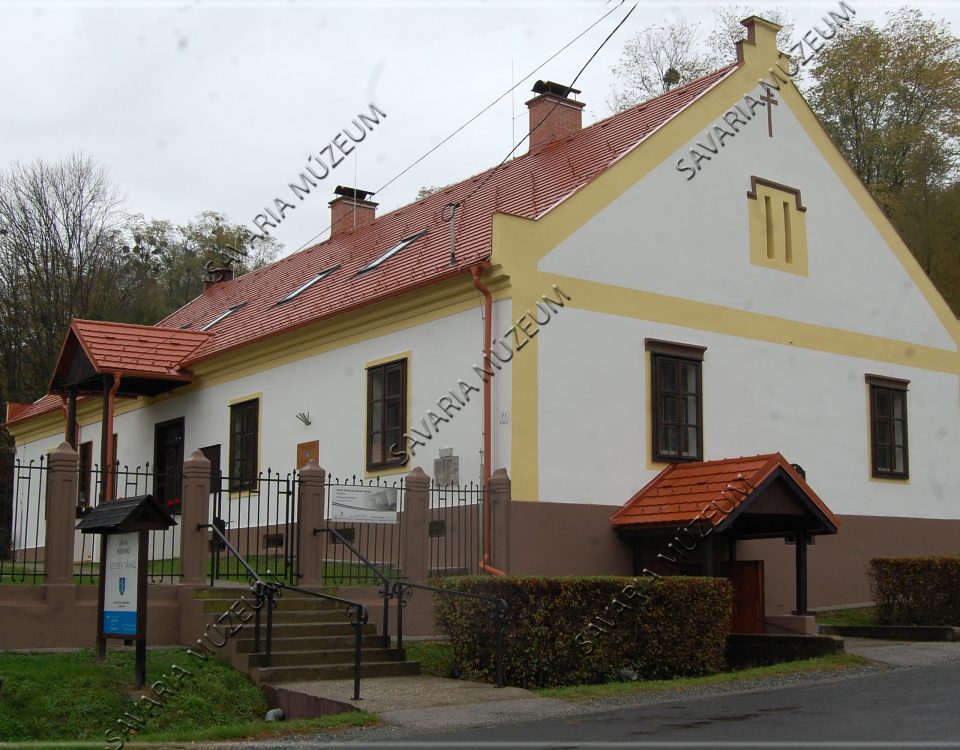
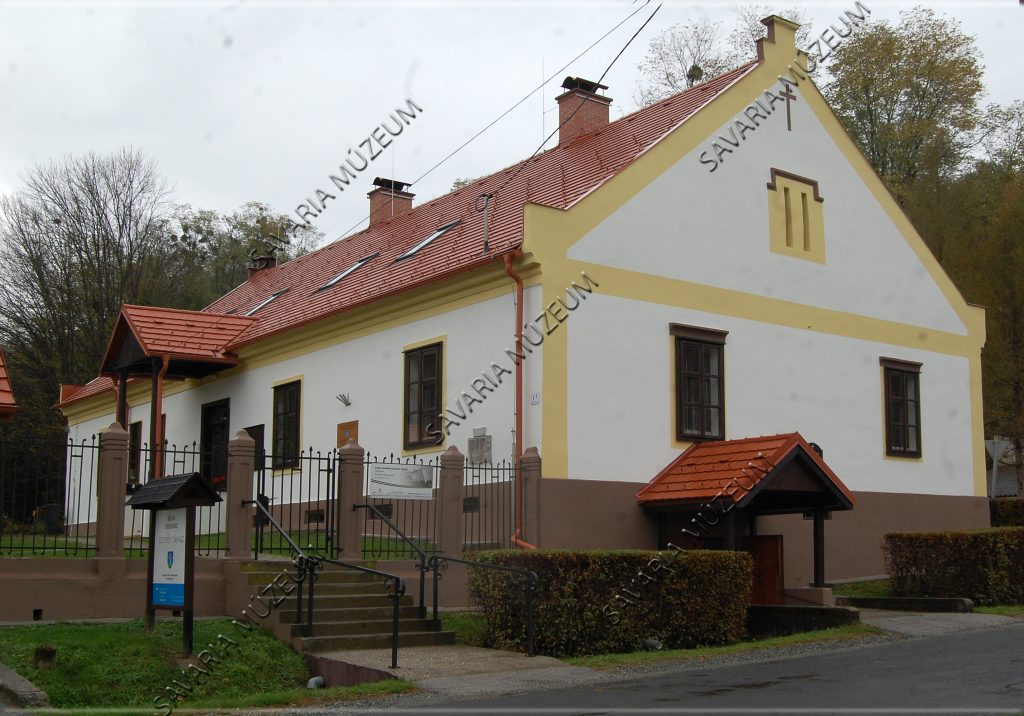
The memorial house was named after the Slovenian priest János Kühár (1901-1987) , the parish priest of the village for fifty years (1936-1987). He was born in Gradišče. He went to high school in Kőszeg and Szombathely, studied theology in Szombathely, where he was ordained a priest in 1924. In 1938 he headed the reconstruction…
According to the decision of the Sopron National Assembly in 1681, Protestants were allowed to practice their religion, build churches and schools in two places in each county. These were the articular places: In Vas County: Nemescsó, Nemesdömölk. The German and Slovenian villages beyond the frontier zone also belonged to Nemescsó. The village had two…
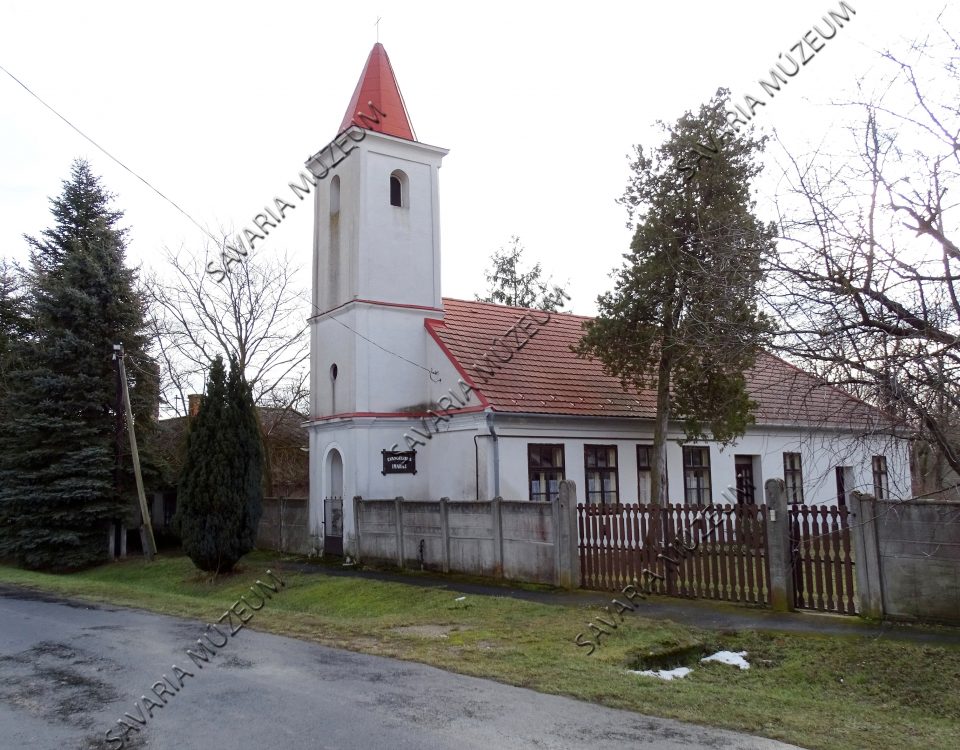
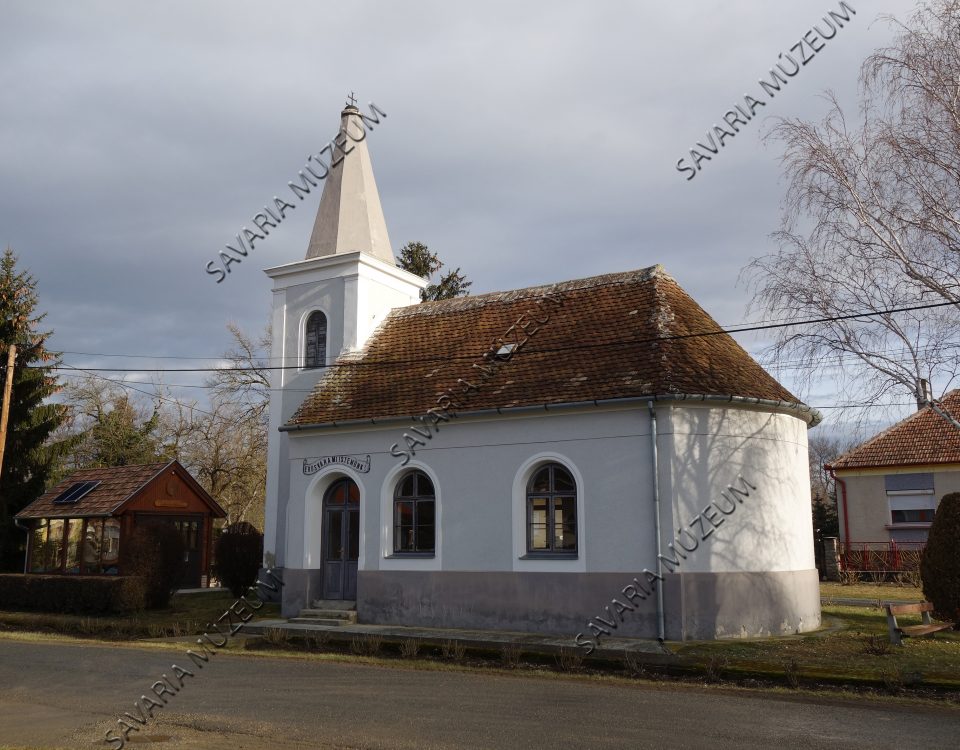
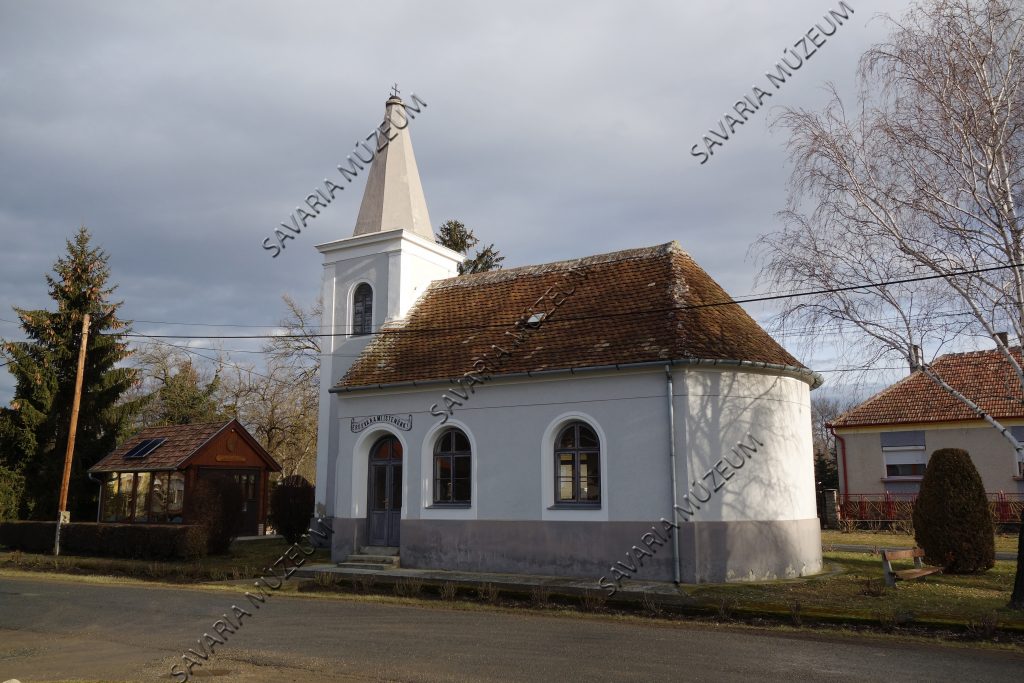
The chapel of Felsőszölnök, named after St. John the Baptist is known from the 14th century (1377). We can read about the restoration of the church in the 1794 visitation report. In 1915 it consisted of a lower part and a taller part, surrounded by a wooden fence, its tower covered with shingles and the…
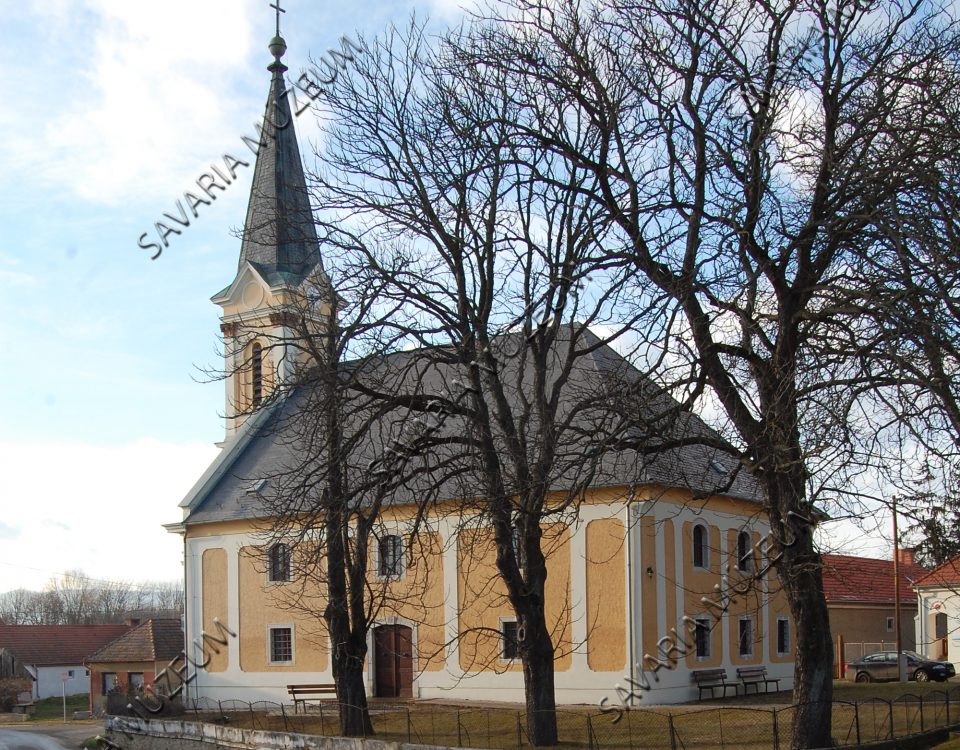
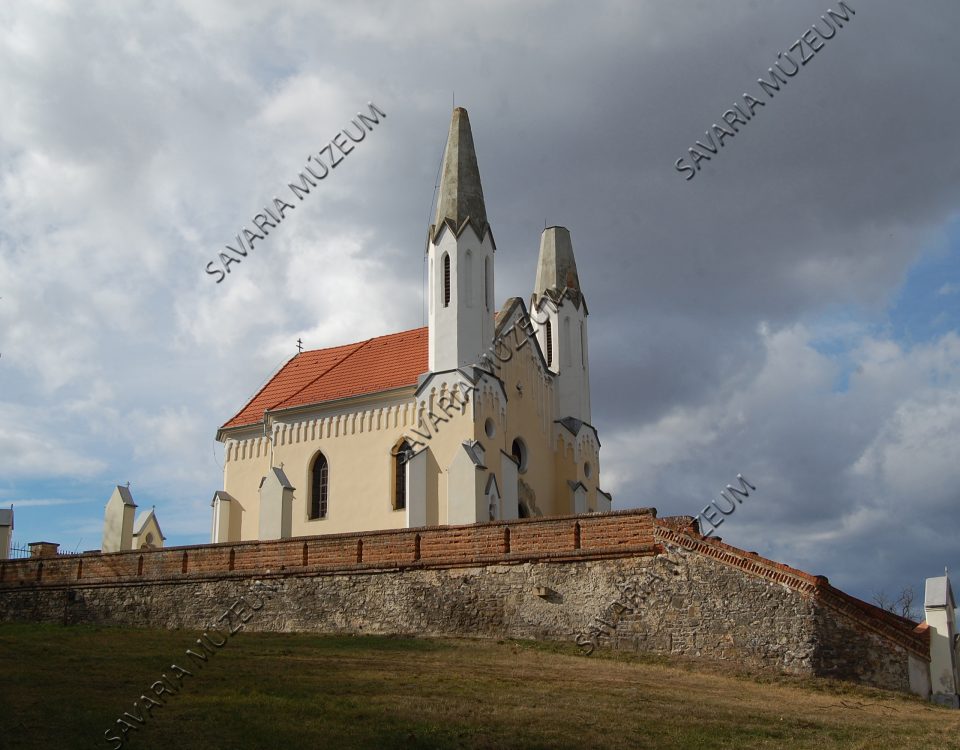
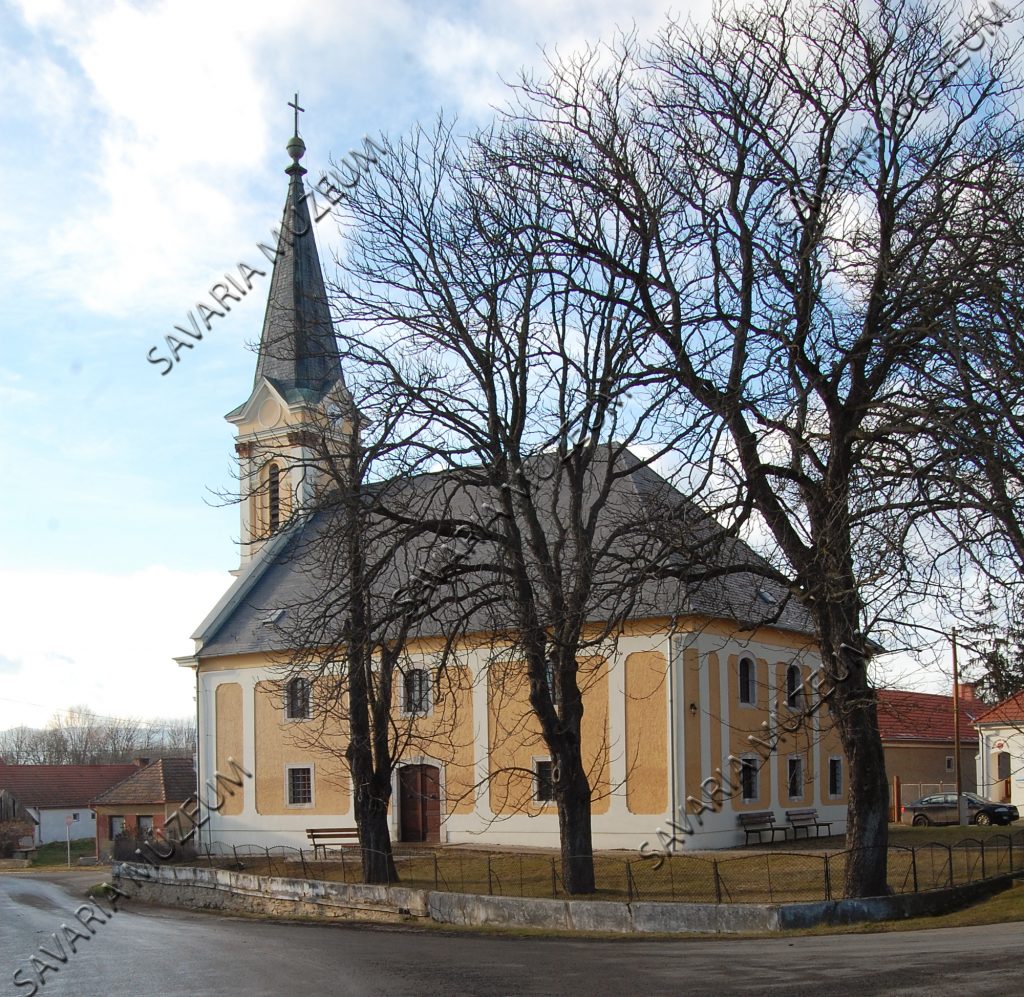
Kolta settlement’s ruined medieval church was demolished in 1633 and replaced by a new one. The new church is mentioned as early as in 1644. It may have been the same size as the present one, but it was located a few meters away. Following the Reformation, the church was used by the Lutherans. It…
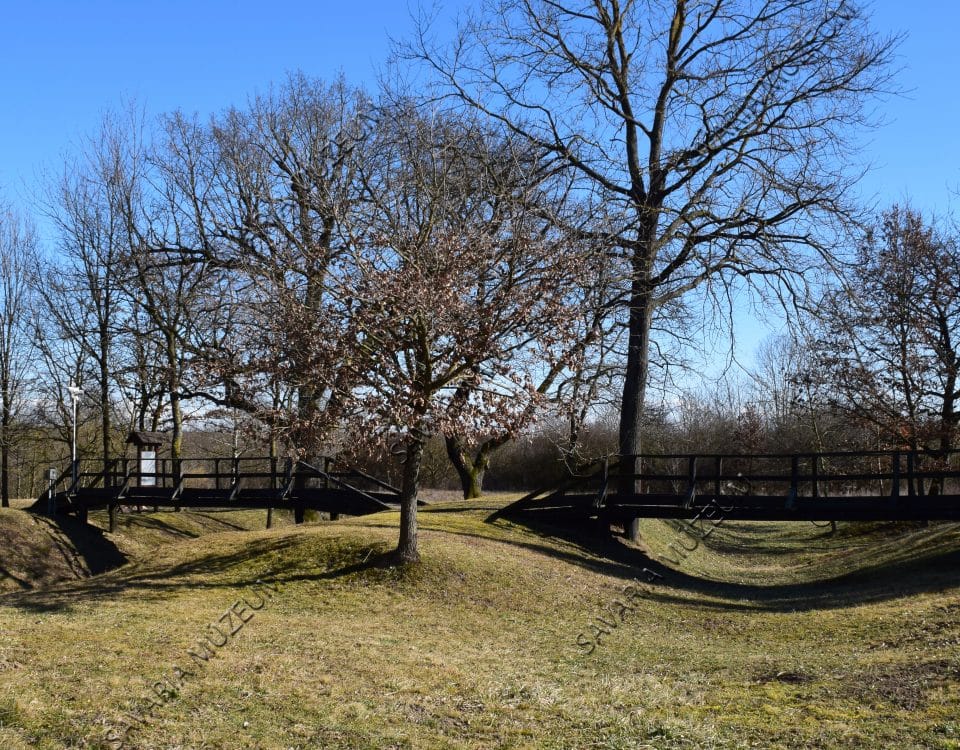
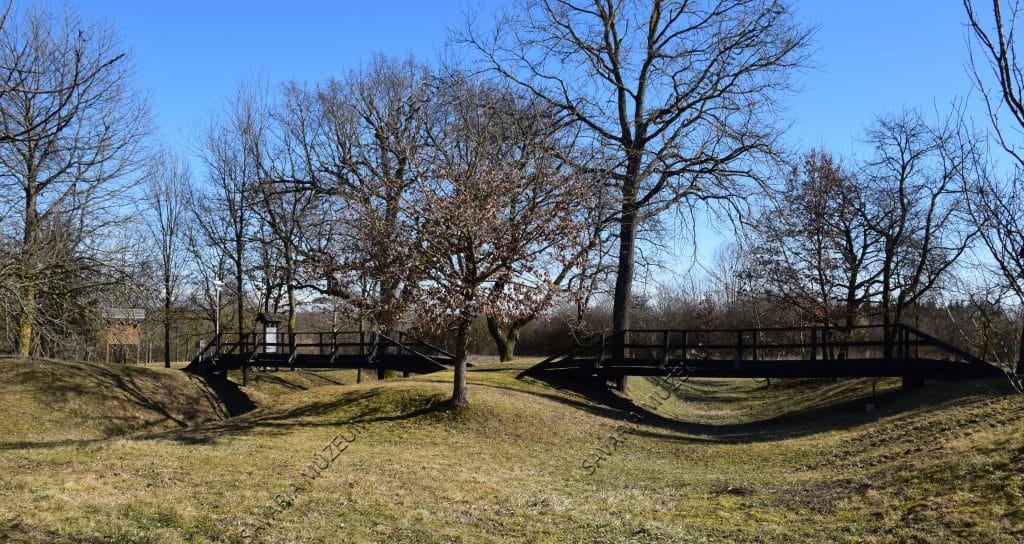
Late medieval castle site. It is located on a hilltop on the western side of the village, behind the houses of Petőfi Street. On its eastern side lies a deep valley. It is the remnant of the medieval castle of the Darabos family in Nádasd, which was turned into a fortress against the Turks. The…
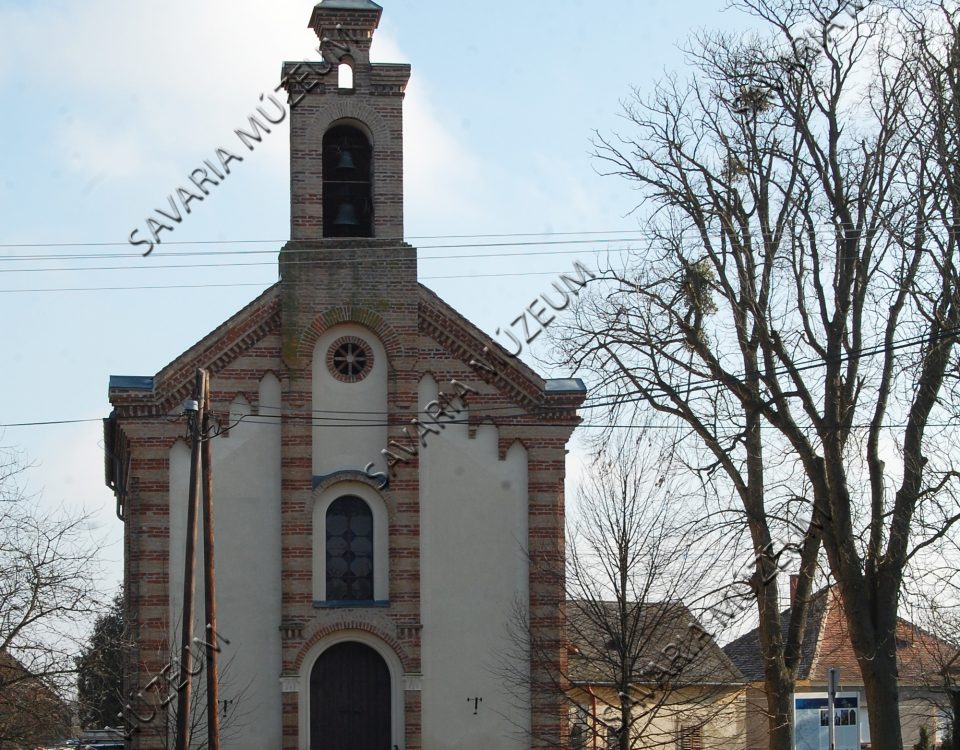
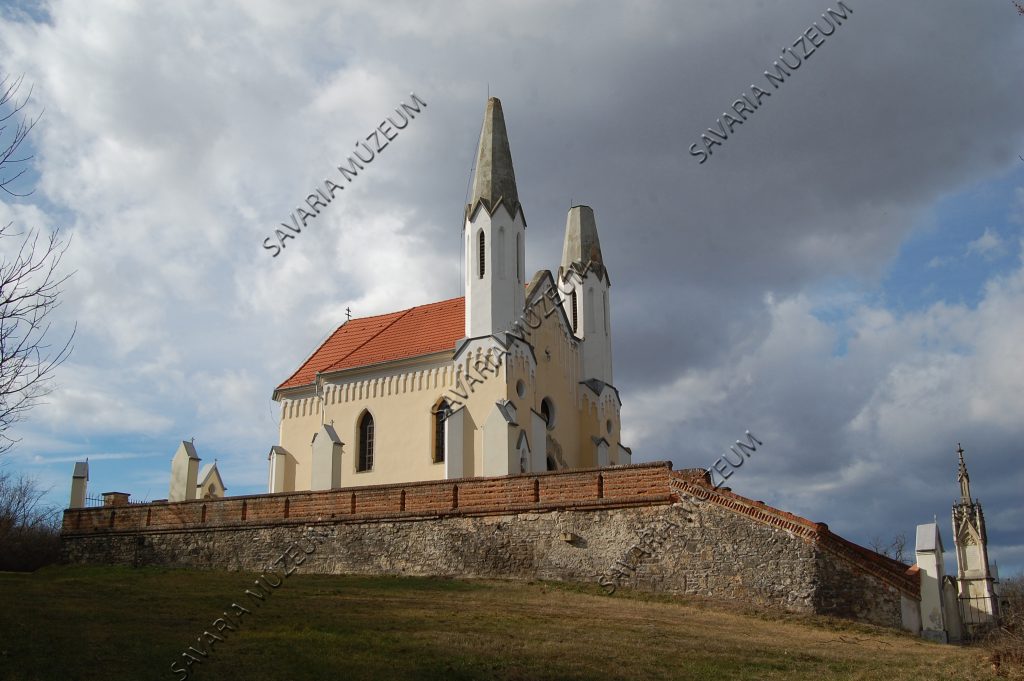
On the outskirts of the village of Sitke, on the Köves hillside surrounding the village, the chapel was built in 1871. Its builders were the owners of the village castle at that time, Sándor Felsőbüki Nagy and his wife, Teréz Weidgang. The chapel was consecrated on February 4, 1872. The small chapel is built in…